
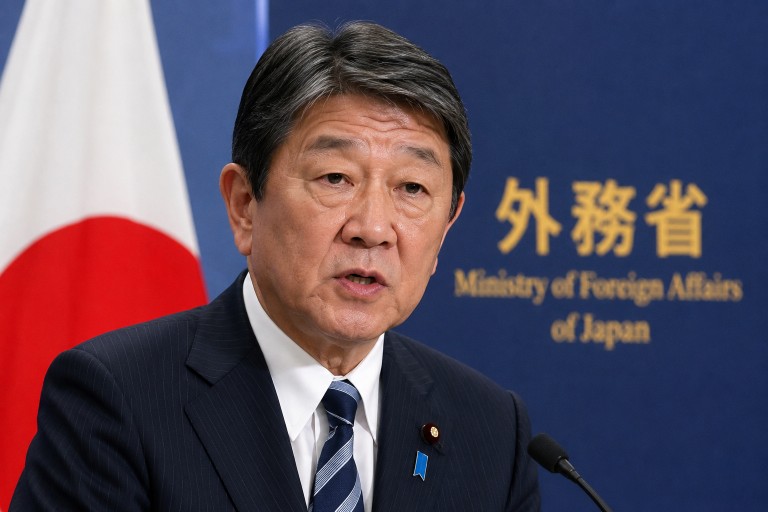
In a tentative move towards easing diplomatic tensions, Japan’s Foreign Minister Toshimitsu Motegi engaged in brief dialogues with his counterparts from China and Russia during the ASEAN summit in Manila. The discussions mark a cautious step in Japan’s foreign relations strategy, particularly in light of recent geopolitical challenges.
Motegi reportedly engaged in a short, informal conversation with Chinese Foreign Minister Wang Yi. During this exchange, Motegi underscored the value of ongoing dialogue to sustain regional peace and enhance bilateral relations. Despite this interaction, Chinese authorities have refuted claims of any official or scheduled meeting between the two diplomats.
Additionally, Motegi’s encounter with Russian Foreign Minister Sergey Lavrov represented the first known high-level contact between Japanese and Russian officials since the onset of Russia’s invasion of Ukraine in 2022. This brief discussion focused on matters concerning bilateral relations and broader regional issues, signaling a potential thaw in diplomatic relations, albeit limited in scope.
Despite these diplomatic engagements, Japan has reaffirmed its steadfast support for Ukraine alongside its continued enforcement of sanctions against Russia. This position reflects Japan’s commitment to its international obligations and alliances, even as it navigates complex bilateral relationships.
Experts stress the significance of maintaining diplomatic channels to address bilateral issues effectively. However, they also caution that Japan must balance these dialogues carefully to ensure that its engagements do not compromise its international commitments or undermine its standing on the global stage.