
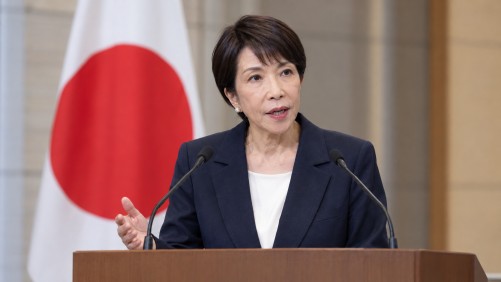
Japanese Prime Minister Sanae Takaichi has dismissed the characterization of her economic policies as “reflationary,” emphasizing instead a focus on boosting domestic investment to foster long-term economic growth. During a session of the House of Representatives on Thursday, Takaichi stated that Japan no longer requires the aggressive monetary easing and fiscal stimulus typically associated with reflationary policies aimed at combating deflation.
Takaichi outlined her government’s strategy to stimulate domestic investment, which she believes will enhance Japan’s potential growth rate, create higher-quality jobs, raise incomes, and improve consumer confidence while strengthening corporate earnings. These measures, she noted, could also result in a natural increase in tax revenue, supporting the country’s fiscal health.
The Prime Minister’s remarks address ongoing market concerns over Japan’s fiscal position, which have been contributing to pressure on the yen and rising government bond yields. With investors paying close attention to the country’s financial outlook, Takaichi seeks to differentiate her economic approach from traditional reflationary measures, despite her association with the economic philosophy of former Prime Minister Shinzo Abe.
Meanwhile, the Bank of Japan has shifted its stance from years of extensive monetary easing to a cycle of interest-rate increases, with the policy rate now at 1.25%, its highest level in nearly three decades. Bank of Japan Governor Kazuo Ueda has indicated that the central bank’s priority is to maintain inflation near its 2% target, rather than continuing efforts to spur inflation from persistently low levels.
Takaichi’s comments underscore the Japanese government’s commitment to investment-led growth as the nation navigates economic challenges, currency fluctuations, and evolving monetary policy. This approach aligns with international calls, including from US Treasury Secretary Scott Bessent, who has previously urged Japan to move away from reflationary strategies reminiscent of the Abe administration.