
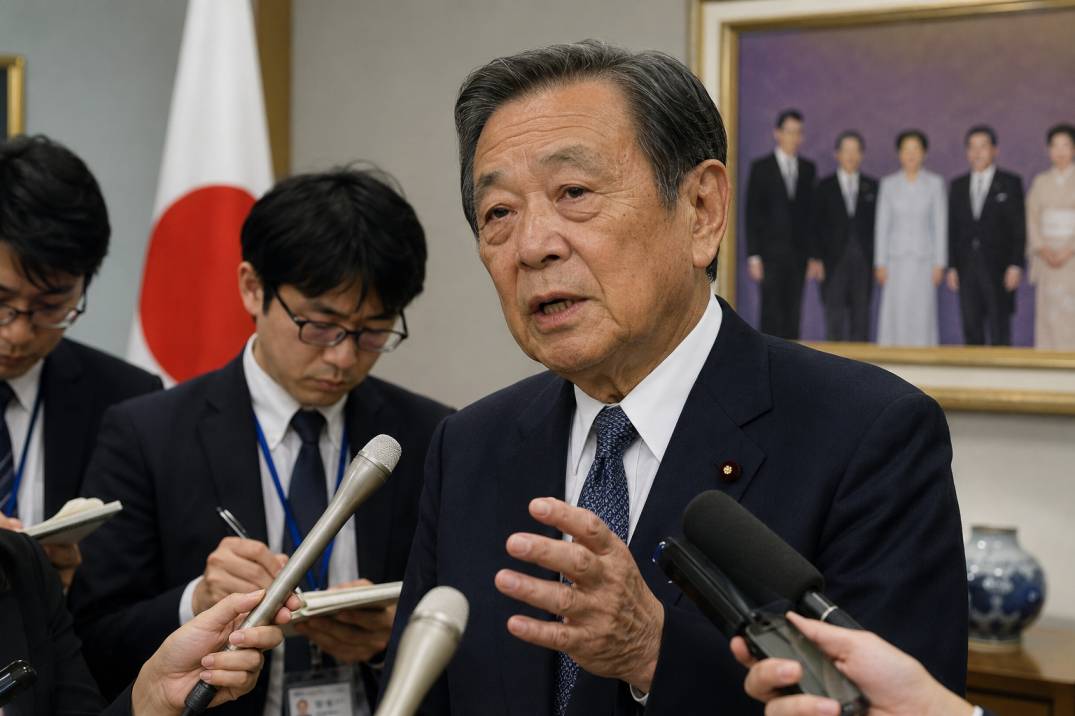
Within Japan’s ruling Liberal Democratic Party (LDP), the topic of permitting a female emperor remains a deeply sensitive issue, despite widespread public support. A prominent party member has acknowledged that while privately, he believes the country could accept a female monarch, expressing such views openly might jeopardize political support from the party’s conservative base and loyalists.
The senior lawmaker, who spoke on the condition of anonymity, highlighted the delicate nature of the topic within the party. He noted that many of his colleagues are hesitant to discuss the possibility of a female emperor, fearing it could provoke a significant political backlash. This apprehension stems from the potential alienation of traditionalist supporters who prioritize maintaining the monarchy’s male lineage.
These comments emerge as Japan is actively considering changes to the Imperial House Law, which governs imperial succession. Current discussions include suggestions to preserve the succession line exclusively through male heirs. However, public opinion surveys consistently reveal strong support for allowing women to ascend to the Chrysanthemum Throne, illustrating a notable divergence between public sentiment and the LDP’s stance.
The debate over imperial succession has gained traction as Japan grapples with a shrinking pool of male heirs eligible for the throne. The prospect of a female emperor has become a focal point in conversations about the future of the Japanese monarchy. Despite this, the LDP remains cautious, with many members wary of potential repercussions that could arise from challenging longstanding traditions.
This ongoing tension underscores a broader societal shift in Japan, where public attitudes are increasingly progressive, yet political leadership often remains conservative. As the debate continues, the gap between public opinion and political action highlights the complexities of balancing modern values with traditional customs in the nation’s leadership.