
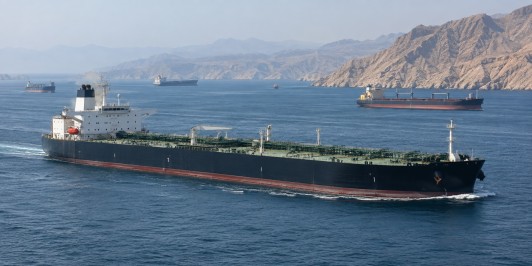
In a bid to de-escalate tensions and reopen diplomatic channels, Iran has proposed to reopen the strategically crucial Strait of Hormuz within seven days if the United States agrees to lift its naval blockade on Iranian ports, ease sanctions on its oil exports, and uphold a ceasefire that extends to Lebanon. This offer, conveyed through Qatar, seeks to resume negotiations on Iran’s nuclear program, a critical point of international concern.
The Strait of Hormuz serves as a vital conduit for global energy supplies, and its closure poses significant risks to international oil and gas markets. Iran’s control over this waterway has been a strategic leverage point amid ongoing geopolitical conflicts. The outlined proposal suggests that once the U.S. accepts the terms, initial measures would unfold over four to five days, with the strait reopening on the sixth day and nuclear talks recommencing on the seventh.
This development comes as part of broader diplomatic efforts, with Iranian President Masoud Pezeshkian engaging with Qatar’s prime minister and Iranian Foreign Minister Abbas Araghchi discussing matters with Saudi officials during the U.N. General Assembly. Despite these efforts, internal divisions persist within Iran regarding negotiations with the U.S., with some hard-line officials opposing diplomacy, advocating for continued resistance, while proponents of negotiation push for a peaceful resolution.
The proposal also raises questions about whether the arrangements would extend to other regional conflicts, particularly concerning Yemen’s Houthi forces and the Bab el-Mandeb Strait, another critical international shipping route. Iran’s diplomatic engagements highlight its intent to stabilize regional tensions, but significant challenges remain in aligning various geopolitical interests.
While the proposal marks a significant diplomatic move, its success depends on the U.S. response and the broader international community’s willingness to mediate and support these efforts. The outcome of this proposal could have far-reaching implications for regional stability and global energy markets.