
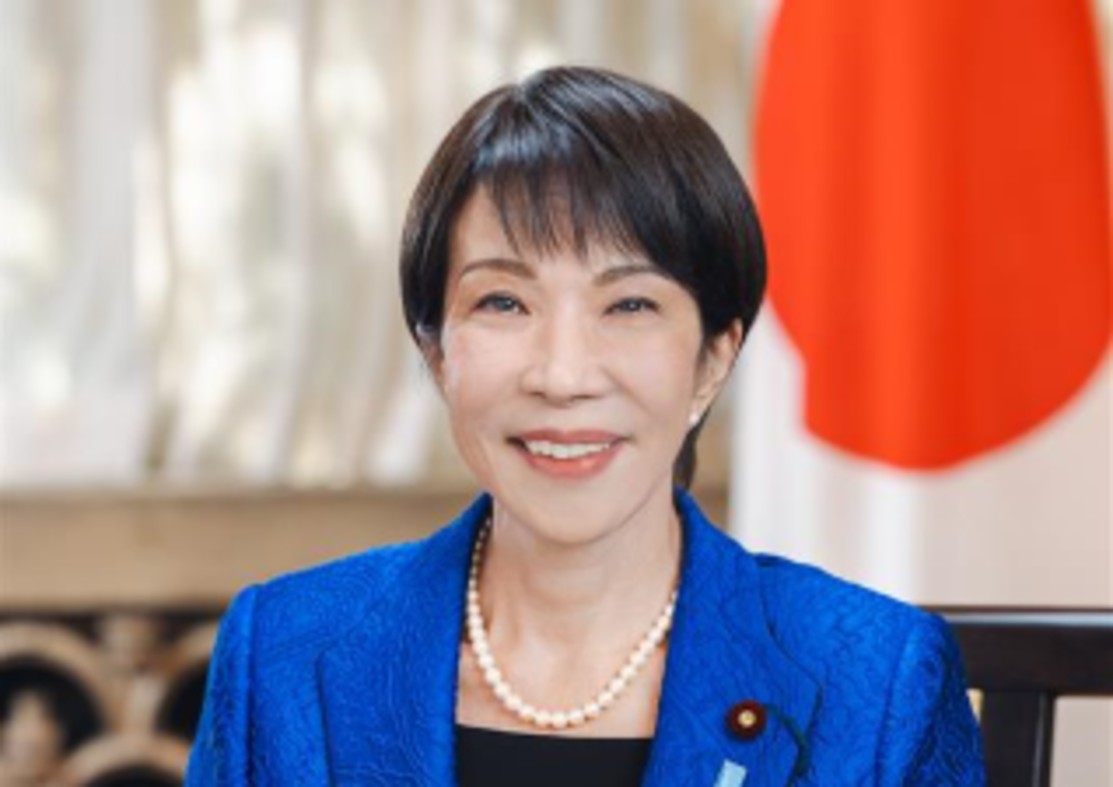
The visit of Japanese Prime Minister Sanae Takaichi to Okinawa has underscored ongoing friction between the central government in Tokyo and the Okinawa prefecture concerning military base issues and national security policies. In a brief encounter with Okinawa Governor Denny Tamaki, the complexities of the relationship were apparent, especially with the gubernatorial election on the horizon.
Governor Tamaki, a known critic of the plan to relocate the US Marine Corps Air Station Futenma to the Henoko area of Nago, expressed a long-standing desire to engage with Takaichi since her tenure began. Their meeting coincided with a memorial ceremony for the Battle of Okinawa anniversary, yet the contentious topic of base relocation was notably absent from their discussions.
The upcoming Okinawa gubernatorial election has added a layer of political tension. The ruling Liberal Democratic Party is seeking to pose a significant challenge to Tamaki’s administration. However, caution prevails within the party regarding Prime Minister Takaichi’s direct involvement in the campaign, as her strong stance on security could potentially alienate some voter segments.
Amid Japan’s efforts to bolster its military presence in the southwest and enhance military cooperation with the United States, apprehensions in Tokyo’s defense policies have intensified. The historical context of wartime experiences makes the Okinawa residents particularly sensitive to shifts in security dynamics.
During the memorial event, Prime Minister Takaichi recognized the significant burden Okinawa carries in hosting US military installations and pledged to work on alleviating this load. Nonetheless, she reiterated the critical role of US forces in ensuring Japan’s security. As Okinawa navigates its political future, the discourse around military bases, peace, and defense strategy is set to persist as a focal point in regional politics.