
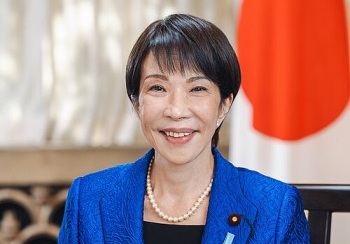
In the face of economic disruptions stemming from the ongoing conflict in the Middle East, Prime Minister Sanae Takaichi has articulated her resolve to minimize the issuance of deficit-covering government bonds for a forthcoming supplementary budget. During parliamentary discussions on May 20, Takaichi emphasized the importance of safeguarding citizens’ livelihoods and economic engagements from potential adverse scenarios. She indicated that deliberations on the overall size and specific contents of the extra budget for fiscal 2026 have yet to commence. The prime minister suggested that surplus funds from fiscal settlements and other resources will soon become available, which could serve as potential funding sources.
Despite her earlier stance against the necessity of an additional budget, Takaichi had previously instructed Finance Minister Satsuki Katayama to explore the possibility of a supplementary budget to tackle economic challenges. This directive was disclosed during a government-ruling coalition liaison meeting on May 18. However, this shift has drawn criticism from opposition figures, with Junya Ogawa of the Centrist Reform Alliance questioning the timing of Takaichi’s economic measures. Takaichi refuted these criticisms, asserting that her instructions were not issued belatedly. Meanwhile, debates with opposition leaders have raised concerns about the consistency of her explanations regarding the budget’s necessity.
For instance, during a May 20 debate with Yuichiro Tamaki of the Democratic Party for the People, Takaichi stated that preliminary instructions for an extra budget had been made prior to the Golden Week holidays in early May. However, her statements at a parliamentary session on May 11 suggested otherwise, as she mentioned that there was no immediate need for a supplementary budget at that time. Ogawa criticized this as inconsistent, suggesting that prior instructions would have precluded such a dismissal earlier in May. In response to rising crude oil costs, the government has maintained significant subsidies to keep gasoline prices stable, with Takaichi considering adjustments to these subsidies based on strategic proposals.
As the closure of the Strait of Hormuz continues to threaten the supply chain, particularly for naphtha used in petrochemical products, businesses are adapting to potential shortages. Calbee Inc., a snack food company, announced a shift to black and white packaging for several products due to unstable ink supplies derived from naphtha. Despite these challenges, the Takaichi administration maintains that the overall supply of naphtha remains sufficient, attributing current difficulties to supply-chain bottlenecks. Industry Minister Ryosei Akazawa has been tasked with addressing these issues comprehensively.
On another front, Takaichi remains committed to her proposal of removing the consumption tax on food items. She reiterated her intention to submit relevant legislation to parliament, contingent upon an interim report from the national council on social security expected before summer. This move underscores her administration’s focus on alleviating financial burdens on the public amid ongoing economic uncertainties.