
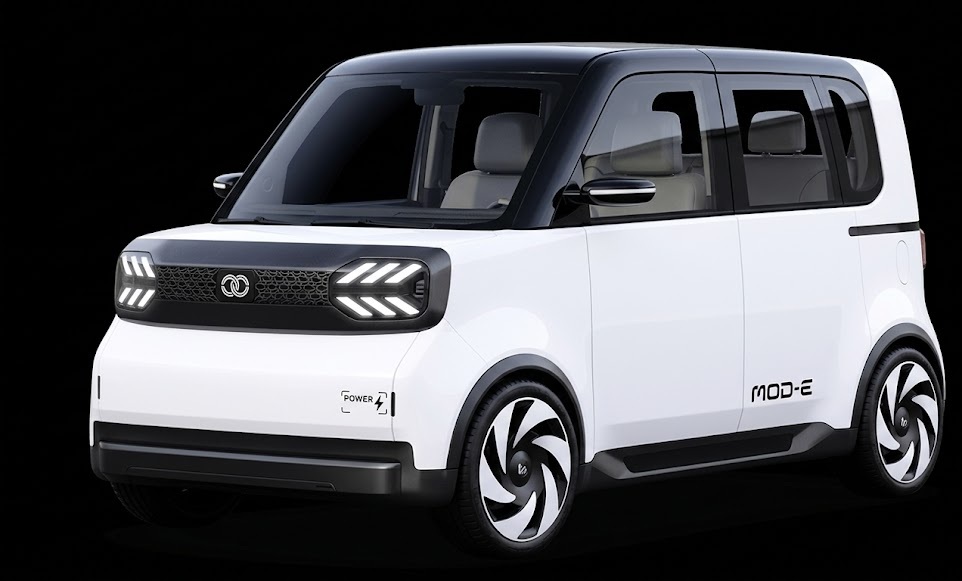
A new electric vehicle initiative, backed by a collaboration of Japanese and Chinese automotive companies, has been unveiled with plans to penetrate the Japanese market. Spearheaded by the Yokohama-based EMT Co., the project introduces the EMTA brand, which aims to release its inaugural electric kei car model by 2027. This compact vehicle will cater to Japan’s essential kei car segment, a popular choice among domestic consumers.
The partnership encompasses several notable contributors, including Japanese entities like Autobacs Seven and Anest Iwata, alongside Chinese automaker Chery Automobile. The venture also involves a battery producer and other associates. EMT has outlined that the new electric kei car will be strategically planned and marketed within Japan, while its design and manufacturing processes will take place in China. These vehicles are set to feature cutting-edge digital functionalities such as wireless software updates, smartphone connectivity, and capabilities for automated driving.
Kei cars hold significant market share in Japan, accounting for over a third of new vehicle sales. This makes them a strategic entry point for electric vehicles, particularly since these cars are frequently used for short, daily commutes, alleviating concerns about driving range. EMT is also contemplating leveraging selected Autobacs stores as potential sales venues and aspires to introduce three additional electric models by 2029. Future aspirations include possibly establishing production facilities in Japan and entering international markets.
As competition heats up in Japan’s kei EV market, various automakers are positioning themselves to capture a share of this growing sector. Chinese company BYD is on the verge of launching its Racco kei EV for Japan, while Nissan Motor has expanded its Sakura lineup with a more affordable variant. Concurrently, Suzuki Motor is set to debut a kei EV within the current fiscal year, and Honda Motor is preparing an electric version of its highly-regarded N-Box model, scheduled for release in 2028.
The influx of new products from different manufacturers underscores the increasing momentum within Japan’s small electric vehicle market. As traditional and new players vie for the attention of budget-conscious urban consumers, the landscape for electric mobility in Japan is set for dynamic growth and competition.