
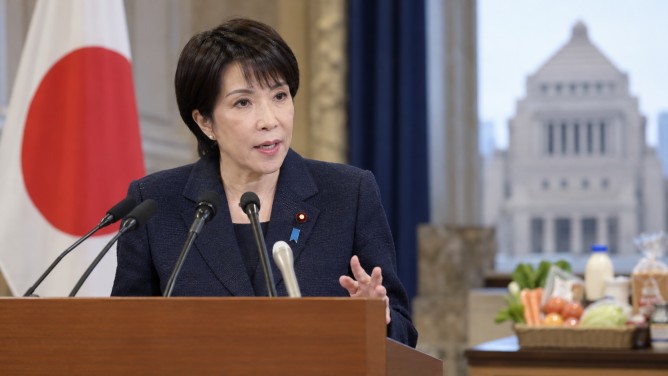
Japanese Prime Minister Sanae Takaichi has announced that the government will not extend the planned two-year reduction in the consumption tax on food and beverages, emphasizing concerns about fiscal sustainability and the importance of maintaining confidence in Japan’s public finances. This decision comes as the government seeks parliamentary approval for the temporary tax cut, set to end in March 2029, alongside financial assistance for low- and middle-income households.
During a parliamentary session discussing the proposed tax legislation, Takaichi highlighted the crucial role of consumption tax revenue in financing the country’s social security programs. She reiterated the government’s commitment to reinstating the original tax rate once the temporary reduction concludes, underscoring the need to maintain stable public finances to effectively handle unexpected emergencies, such as natural disasters and disease outbreaks.
The proposal has sparked debate, with criticism focusing on how the government plans to offset the anticipated loss in tax revenue. Takaichi assured that the shortfall would be addressed without resorting to additional deficit-financing bonds, though she has not yet disclosed complete details of the funding strategy.
Opposition parties have expressed concerns that restoring the tax rate could exacerbate financial pressures on households, particularly those already grappling with the high cost of living. This debate underscores the challenge for Japan’s government in balancing temporary consumer relief with the long-term sustainability of public finances and social security funding.