
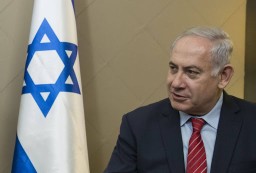
Israeli Prime Minister Benjamin Netanyahu used Friday’s press conference to outline what he saw as a clear path toward the conflict’s conclusion, pointing to Iran’s destroyed nuclear and missile infrastructure as evidence that the war’s end was approaching faster than most expected. He denied Israeli responsibility for US involvement in the war. Netanyahu’s press conference struck a tone of calm military confidence combined with proactive geopolitical planning.
The prime minister described his alliance with Trump as extraordinary and unprecedented, while positioning Trump as the leadership force in the partnership. He rejected the idea that Israel had pulled Trump into the conflict, noting that Trump’s understanding of Iran’s nuclear threat was deeply formed and independently arrived at. Netanyahu revealed Trump had himself provided analysis that deepened their shared strategic thinking.
Netanyahu confirmed Israel’s unilateral strike on the South Pars gas compound and acknowledged Trump’s request to hold off on further attacks against Iranian gas infrastructure. He presented these as natural and transparent features of a close alliance. Netanyahu emphasized that Israel’s military independence had not been subordinated to any diplomatic communication, however close the partnership.
Iran’s Hormuz threats were met with a firm dismissal. Netanyahu called them blackmail aimed at the global community and proposed overland pipeline corridors from the Arabian Peninsula to Israeli and Mediterranean ports as a permanent alternative. He argued this would neutralize Hormuz as a strategic weapon and create lasting energy security for the region.
Netanyahu closed with observations about Iran’s leadership disarray. The new supreme leader had not appeared publicly, and Netanyahu said he genuinely did not know who was governing the country. He pointed to visible power struggles within Tehran’s ruling hierarchy and concluded that these internal pressures, combined with military losses, were accelerating the war’s conclusion.