
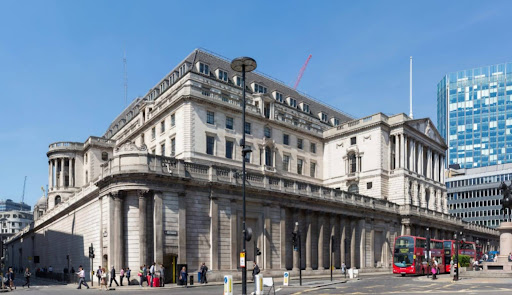
The UK faces a potentially challenging period of economic adjustment as the Bank of England held interest rates at 3.75% on Thursday while warning of the inflationary consequences of the ongoing conflict in the Middle East. The monetary policy committee’s unanimous decision to hold was accompanied by a clear signal that the war between the United States, Israel, and Iran had materially changed the inflation outlook and could force rate hikes in the months ahead. The Bank described the conflict as a significant new shock to the UK economy.
Global energy markets have been significantly disrupted by the war, with oil and gas prices rising sharply since hostilities began. For the UK, which had been on a steady path toward lower inflation, this represents an unwelcome reversal. The Bank now expects inflation to rise to approximately 3.5% in March and remain above its 2% target throughout 2026, a significant upward revision driven almost entirely by the energy market impact of the conflict.
Governor Andrew Bailey described the war’s effect as already visible at UK petrol stations and warned that household energy bills could follow if supply disruption persists. He said the Bank was committed to its inflation mandate and stood ready to act, while emphasising that the current decision was to hold and assess. His careful language was designed to maintain credibility without alarming markets or the public unnecessarily.
Financial markets responded with notable hawkishness. UK gilt yields rose, the FTSE 100 fell, and the pound strengthened against the dollar as traders repriced UK interest rate expectations. A June rate hike is now widely anticipated in City circles, with some analysts predicting a second increase before year end.
The economic data released on the same day — showing slowing wage growth and rising unemployment — painted a picture of a cooling domestic economy that would normally call for easier monetary policy. The Iran conflict, however, has introduced an overriding external factor that has pushed the Bank toward caution rather than accommodation. How long that tension persists will depend heavily on how the geopolitical situation develops.